Brush Script Shadow Embroidery Font Review
As an embroidery designer who spends countless hours refining stitch patterns and selecting the perfect thread combinations for boutique collections, I am always on the lookout for typefaces that offer both elegance and commercial viability. Recently, I came across the Brush Script Shadow Embroidery Font on Creative Fabrica, and it immediately caught my eye for its potential in upcoming apparel projects. This design promises a blend of timeless sophistication and modern flair, making it a compelling candidate for sweatshirt embroidery, hoodie designs, and custom apparel lines.
In this review, I will share my initial impressions as a professional designer planning a small collection. I will explore how this font performs visually, where it fits best in a product lineup, and what practical considerations you should keep in mind before digitizing or ordering files for your handmade products.
First Impressions: Visual Personality and Mood
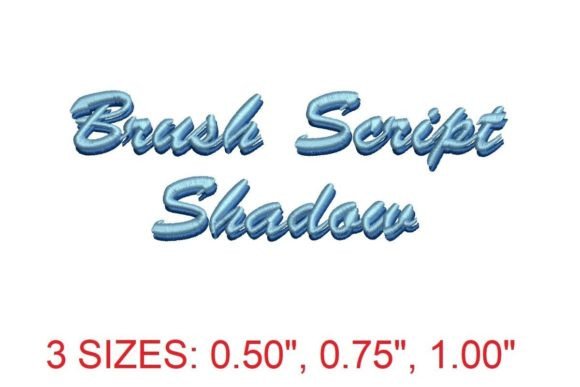
The first thing that stands out about the Brush Script Shadow Embroidery Font is its visual personality. It strikes a balance between classic brush lettering and contemporary shadow effects. The "shadowed" aspect adds depth without overwhelming the text, giving it a premium feel that works well for lifestyle product photos and social media graphics.
For a boutique brand looking to establish a strong visual identity, this font feels versatile. It is not overly cute or childish, nor is it too rigid or corporate. Instead, it lands in a sweet spot that feels trendy yet timeless. The decorative strength is moderate, meaning it can serve as a focal point on a garment without requiring excessive embellishment around it. This makes it ideal for minimalist aesthetics while still offering enough detail to catch the eye in Etsy listings or digital embroidery file showcases.
Application in Apparel Projects
When I imagine using the Brush Script Shadow Embroidery Font in a real-world scenario, several key applications come to mind. Here is how I see it performing across different garment types and placement options:
- Sweatshirt Embroidery: On neutral-colored sweatshirts, the shadow effect provides excellent contrast, especially when paired with complementary thread colors. It looks particularly striking on oversized garments where the design has room to breathe.
- Hoodie Chest Placement: For a hoodie design, placing this font on the left chest offers a subtle yet stylish accent. It works well for back-to-school themes or casual everyday wear, adding a touch of personality without being too loud.
- Sleeve Accents: The font’s flowing script nature makes it suitable for sleeve accents. When embroidered along the cuff or upper arm, it creates a dynamic line that follows the body’s shape.
- Back Designs: For larger back placements, the shadowed letters can be scaled up to create a statement piece. This is effective for boutique merchandise where you want the customer to turn heads.
- T-Shirt Embroidery: While t-shirts are often associated with screen printing, high-quality embroidery adds value. This font works well on cotton tees, offering a more durable and premium finish than printed alternatives.
- Tote Bag Design: Canvas tote bags provide a textured surface that complements the brush-style strokes. The font adds a chic, artistic vibe to these functional accessories.
Seasonal and Niche Applications
Beyond standard apparel, this design can enhance various niche markets. For instance, it fits perfectly into cozy seasonal outfits, such as autumn-themed hoodies or winter-ready beanies. It also appeals to digital sellers creating printable mockups, as the clean lines and shadow details render beautifully in digital formats.
For Etsy sellers and small shop owners, the versatility of the Brush Script Shadow Embroidery Font means you can target multiple buyer segments. Whether you are catering to students looking for unique school supplies or professionals seeking elegant workwear accessories, this font adapts to the mood of the project.
Strategic Considerations for Use
While the Brush Script Shadow Embroidery Font is highly adaptable, there are specific areas where care must be taken to ensure a professional finished product. Understanding these nuances is crucial for maintaining brand trust and customer satisfaction.
Fabric and Surface Constraints
Certain fabrics and surfaces present challenges for shadowed script fonts. Here are key areas to approach with caution:
- Small Chest Placement: If the design is too large for the available space, the shadow effect may become muddy or lose definition. Ensure the hoop size accommodates the full design without crowding.
- Dense Stitch Areas: Check the stitch density carefully. Excessive density in shadowed areas can lead to puckering, especially on lighter fabrics.
- Stretchy Fabric: Materials like spandex blends or thin knits require stabilizers that can handle tension. Test the font on similar garment fabric to prevent distortion during wear.
- Fleece and Ribbed Fabric: The texture of fleece or ribbing can interfere with the crispness of the shadow effect. Smooth fabrics like cotton or polyester blends tend to showcase the design better.
- Dark Garments: Thread color contrast is critical. On dark garments, light thread colors with shadows may lack visibility. Conversely, dark threads on light garments might appear too heavy.
- Curved Surfaces: Embroidering on curved areas like hat brims or bag handles requires precise digitizing. The script’s curves must align naturally with the object’s contour.
- Tiny Lettering: Small sizes can cause the shadow details to blur together. Reserve the font for medium to large placements for optimal clarity.
- Wrinkle-Prone Areas: Avoid placing the design on zones that frequently stretch or wrinkle, such as underarms or waistbands, as this can distort the lettering over time.
Impact on Brand Identity and Value
Using a high-quality design like the Brush Script Shadow Embroidery Font directly influences your brand’s perceived value. Consistent use of well-executed embroidery enhances visual consistency across your product line, reinforcing professionalism and attention to detail.
For commercial embroidery businesses, this font can boost customer engagement by offering a distinctive look that stands out in a crowded market. When customers see a polished, shadowed script on a hoodie or tote, they associate it with quality craftsmanship. This perception builds buyer trust and encourages repeat purchases.
Furthermore, incorporating such designs into your portfolio signals that you stay current with trends while respecting classic aesthetics. This duality is attractive to a broad audience, from young creatives to established professionals.
Practical Designer Notes
Before integrating the Brush Script Shadow Embroidery Font into your production workflow, consider these essential steps:
- Test on Scrap Fabric: Always run a test stitch on scraps of the intended fabric to check for compatibility and appearance.
- Check Stabilizer Choice: Select the appropriate stabilizer (cut-away, tear-away, or water-soluble) based on the fabric’s weight and stretch.
- Review Thread Color Contrast: Experiment with different thread colors to ensure the shadow effect pops against the garment base.
- Confirm Hoop Size: Verify that your machine’s hoop can accommodate the design dimensions without cropping.
- Inspect Stitch Density: Adjust settings if necessary to prevent fabric damage or thread breakage.
- Test on Similar Garment Fabric: Simulate real-world conditions by testing on actual garment material whenever possible.
- Compare Placement Options: Visualize the design in various locations (chest, back, sleeve) to determine the most aesthetically pleasing option.
- Check Licensing: Review Creative Fabrica product details and licensing terms to ensure you have the right to sell finished products made with this embroidery file.
By keeping these factors in mind, you can maximize the potential of the Brush Script Shadow Embroidery Font in your creative projects. Whether you are designing for a local boutique or scaling an online store, this font offers a reliable foundation for creating beautiful, marketable apparel.