Chimera Font Embroidery Review
In the world of small business branding, every detail counts. As an embroidery designer who has stitched thousands of logos onto everything from high-end corporate polos to handmade tote bags, I know that typography is often the unsung hero of a successful design. Today, I am reviewing Chimera Font, a digital embroidery file that promises to add a touch of magic to your stitching projects. Whether you are running a boutique café, a creative studio, or an Etsy shop selling custom gifts, choosing the right font can mean the difference between a forgettable product and a brand icon. This review explores how Chimera Font performs in real-world commercial applications, focusing on its utility for branded patches, uniforms, and merchandise.
First Impressions: The Visual Personality of Chimera
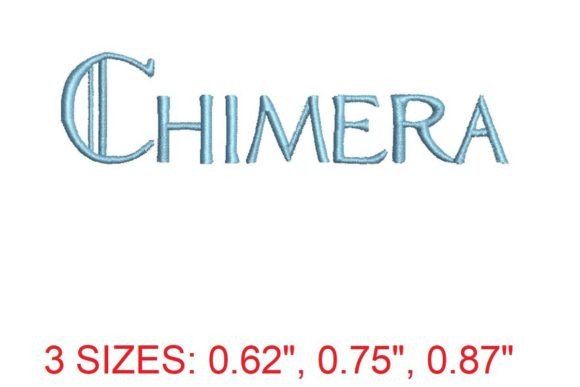
When I first loaded the Chimera Font into my digitizing software, the immediate takeaway was its unique character. The name itself suggests something mythical and complex, yet the description hints at accessibility for both seasoned embroiderers and beginners. Visually, the font strikes a balance between modern elegance and playful charm. It does not feel overly rigid or corporate, nor is it so decorative that it loses legibility. Instead, it feels like a premium, handmade typeface that brings warmth to a brand.
For small business owners, this versatility is crucial. A font that feels too stiff might alienate a creative audience, while one that is too whimsical might undermine professionalism. Chimera Font lands squarely in the "approachable professional" zone. It works beautifully for brands that want to appear established yet friendly. Imagine a local bakery using this on their aprons; it suggests artisanal quality without sacrificing clarity. Or consider a pet brand looking for a logo that conveys care and uniqueness. The fluid lines of Chimera allow it to breathe, making it ideal for designs that need to stand out on crowded marketplaces like Etsy or at local craft fairs.
Real-World Business Applications
The true test of any machine embroidery design is how it holds up when translated from screen to fabric. Here is how Chimera Font performs across various small business merch categories:
- Embroidered Patches: One of the most popular uses for this font is creating custom embroidered patches. Because Chimera has distinct letterforms, it remains readable even when reduced in size. It works exceptionally well as a chest logo accent or a back-of-neck label for clothing brands. The font’s structure allows for clean edges, which prevents the patch from looking cluttered.
- Staff Uniforms and Aprons: For service-based businesses, such as florists or cafes, staff attire is a walking billboard. Chimera Font offers a sophisticated look for work shirts and caps. When used for names or titles, it elevates the perceived value of the uniform. It looks particularly striking on dark fabrics, where the contrast highlights the font’s curves.
- Tote Bags and Product Packaging: In the era of sustainable shopping, tote bag design is essential for brand visibility. Chimera Font’s aesthetic pairs well with minimalist layouts. It can be used as the primary logo mark or as a subtle tagline underneath a graphic. The font’s "magic" element adds a sense of wonder to packaging accents, encouraging customers to keep the bag rather than discard it.
- Caps and Headwear: Cap embroidery requires fonts that can withstand curvature. Chimera’s balanced proportions make it less likely to distort on the curved front panel of a hat. It provides a clean, centered look that reads well from a distance, which is vital for promotional events or trade shows.
- Digital Assets and Mockups: Even if you sell digital embroidery files, having a versatile font like Chimera allows you to create diverse printable mockups. Designers can use these design assets to showcase how a client’s brand could look on finished products, helping to close sales by visualizing the end result.
Strategic Considerations and Limitations
While Chimera Font is highly adaptable, no single design fits every scenario. As a professional reviewer, I must highlight areas where caution is advised. Small patch sizes require careful scrutiny. If the letters are too thin or the spacing (kerning) is tight, fine details may merge together during stitching, resulting in a muddy appearance. Always inspect the spacing closely before finalizing the design.
Furthermore, consider the stitch density. High stitch density can make a fabric stiff and uncomfortable, especially on delicate items like lightweight tees or sheer scarves. If you plan to use this font on textured fabrics, such as denim or heavy canvas, ensure that the underlay stitches are sufficient to stabilize the fabric and prevent puckering. Dark uniforms also present a challenge; ensure there is enough thread color contrast between the background and the font to maintain readability.
Items that undergo frequent washing, such as aprons and work shirts, need durable designs. While Chimera is robust, always test wash your samples to ensure the threads do not pill or fade excessively. Additionally, be mindful of curved surfaces beyond just caps; anything with significant contouring requires specialized digitizing techniques to ensure the text follows the shape naturally without stretching.
Impact on Brand Identity and Trust
Your choice of embroidery font directly influences customer trust and recognition. A consistent, high-quality typographic presence signals professionalism. When a customer sees a neatly stitched Chimera Font on a product, they subconsciously associate that precision with the quality of the product itself. It enhances the handmade presentation, suggesting that attention to detail matters to the brand.
This visual consistency builds brand equity over time. Whether it appears on a sleeve detail, a product label, or a customer gift, the repeated exposure to a cohesive design language reinforces brand recall. In a competitive market, these small touches differentiate you from mass-produced competitors. They tell your story before you even speak, inviting engagement through aesthetic appeal.
Practical Designer Notes for Production
To ensure success with Chimera Font, follow these practical steps before launching into full production:
- Test in Black and White: Remove color distractions by viewing the design in monochrome. This helps verify that the shapes and spacing are clear and legible.
- Check Small Sizes: Simulate the design at the actual patch or logo size. If it looks good on screen but fails at 2 inches wide, adjust the digitizing settings accordingly.
- Review Thread Color Contrast: Select thread colors that pop against your target fabric. Low contrast leads to invisible embroidery, which defeats the purpose of branding.
- Confirm Hoop Size: Ensure the design fits within your standard hoop sizes to avoid unnecessary re-hooping or stitching errors.
- Test on Real Fabric: Never trust a digital preview alone. Stitch the design on the actual fabric type you will use for production to check for stability and texture interaction.
- Use Proper Stabilizer: Choose the correct stabilizer (cut-away, tear-away, or water-soluble) based on the fabric weight to prevent distortion.
- Create Client Mockups: Use printable mockups to show clients how the final product will look. This manages expectations and speeds up approval processes.
- Compare with Other Assets: Place Chimera Font beside other design elements to ensure harmony. Does it clash with your graphics? Does it complement them?
- Verify Commercial Licensing: Before selling products, confirm the commercial licensing terms for the digital embroidery file. Unauthorized use can lead to legal issues.
In conclusion, Chimera Font is a powerful tool for embroidery designers and small business owners alike. Its blend of magic and professionalism makes it suitable for a wide range of applications, from branded patches to custom apparel. By understanding its strengths and respecting its limitations, you can leverage this design asset to elevate your brand identity and create memorable, high-quality finished products. Remember to always test thoroughly and prioritize fabric texture and thread colors to achieve the best results.