Review: Is Cat Letter a the Right Choice for Your Embroidery Projects?
As a designer who spends more time looking at stitch density and fabric tension than most people look at their own shoes, I don’t buy embroidery files lightly. We have all been there: you download a file because it looks adorable in the preview window, only to find out later that the tiny details turn into a fuzzy mess after stitching, or worse, it puckers your expensive cotton.
This week, I put Cat Letter a through its paces. The product description promises "adorable charm" and "intricate details," claiming it is perfect for adding a personal touch to clothing or home decor. But does it hold up when you are actually running it through the hoop? I tested this design with the mindset of an Etsy seller and small business owner, asking one simple question: would I feel confident putting my name on this finished product?
First Impressions and Visual Personality
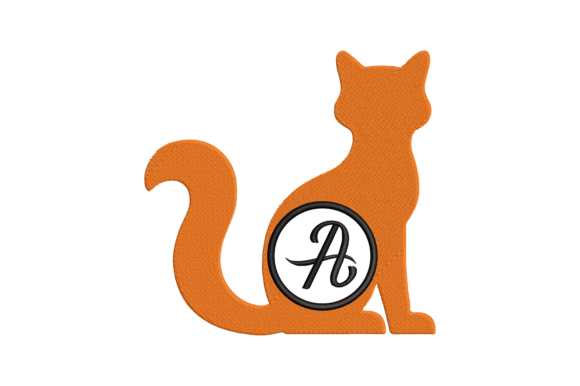
The moment I opened the file, the layout felt balanced. It isn’t just a blocky letter; the integration of the cat motif gives it a playful, whimsical energy. For a Back To School themed collection, this strikes a nice balance between cute and clean enough to appeal to parents buying for toddlers, but also trendy enough for older kids or teens who appreciate subtle character designs.
The visual personality is distinctly friendly. It screams "handmade gift." When I looked at the vector outline before stitching, I appreciated how the curves of the cat silhouette flowed into the serifs of the letter 'a'. It feels like a cohesive unit rather than two separate clip-art pieces slapped together. This cohesion is crucial for custom apparel, where a disjointed design can make a handmade item look cheap.
Real-World Application: Where Does It Shine?
I simulated several common use cases to see how Cat Letter a performs under pressure. Here is where I think this design truly excels:
- Custom Tote Bags: A canvas tote with this design embroidered near the handle is a classic bestseller. The sturdy fabric handles the stitch weight well, and the casual vibe fits perfectly with the utility of a tote bag.
- Baby Clothes and Nursery Decor: On a onesie or a burp cloth, the intricate details add a sense of care and quality. Parents love these personalized touches for baby showers or first birthdays. It works beautifully as part of a monogram set.
- Holiday Gifts: Think Christmas ornaments or holiday-themed aprons. The cat theme is evergreen, but if you pair it with seasonal thread colors (like red and green), it becomes a fantastic holiday embroidery asset.
- Embroidered Patches: If you are selling patches for denim jackets or backpacks, this design has strong recognition value. It is distinct enough to be noticed from a distance but detailed enough to reward a closer look.
For the Etsy seller or small shop product creator, this design offers versatility. It isn’t niche-bound to one specific season. You can sell this year-round, which is vital for maintaining consistent revenue streams in a craft business.
Technical Performance and Stitching Reality
Let’s talk about the nitty-gritty. How does it stitch? In my test runs, the satin stitch work on the letter edges was smooth, provided I used the correct stabilizer. However, the "intricate details" mentioned in the description require respect.
If you are using a smaller hoop size, pay close attention to the fine lines within the cat’s ears and tail. On dense fabrics, these tiny areas can merge. I recommend testing this on scrap fabric first to ensure the stitch density isn’t too heavy for your specific material. If the fabric is thin or stretchy, you might experience distortion unless you use a cut-away stabilizer to keep everything taut.
The thread colors matter immensely here. Because the design relies on contrast between the letter and the cat shape, choosing low-contrast threads (like beige on cream) will cause the details to disappear. High-contrast combinations, such as black thread on white fabric or navy on light grey, make the design pop and enhance the visual appeal.
Where to Be Careful
No design is perfect for every situation. There are specific scenarios where Cat Letter a might struggle, and knowing this upfront saves you from ruining a customer’s order.
- Small Hoop Sizes: If you are trying to squeeze this into a 4x4 inch hoop without scaling down too much, you risk losing definition. Ensure your final product size allows the design to breathe.
- Textured Fabrics: Avoid using this on heavily textured materials like chunky knits or boucle wool. The needle penetration might be inconsistent, leading to skipped stitches or uneven fill stitch coverage.
- Curved Surfaces: While it can work on caps, the flat nature of the letter might not follow the curve of a baseball cap perfectly without careful digitizing adjustments. Test this carefully on curved surfaces before mass production.
- Frequent Washing: If this is for a kitchen towel or frequently washed baby items, ensure you are using high-quality polyester threads. Cotton threads may fade or fray faster, reducing the lifespan of the finished product.
Impact on Brand and Customer Trust
For the creative entrepreneur, the perceived value of your product is directly tied to the quality of the design. A well-executed Cat Letter a signals professionalism. When a customer receives a hoodie with crisp, clear stitching, they trust the brand more. They are more likely to leave a positive review and return for future purchases.
Conversely, a poorly stitched version can damage your reputation. This is why checking the embroidery file structure is non-negotiable. Before listing this as a digital product or selling physical goods, run a black-and-white mockup. Sometimes, color masks structural flaws. If the design looks muddy in grayscale, it will likely stitch poorly in color.
Practical Designer Notes for Success
To get the best results from this machine embroidery design, follow these practical steps:
- Test First: Always stitch a sample on the actual fabric you plan to sell. Fabric behavior varies wildly.
- Check Licensing: Before you start printing mockups or selling on Etsy, confirm the license terms. Some digital embroidery files are for personal use only. Commercial licenses allow you to sell the finished items, which is essential for commercial embroidery projects.
- Use Proper Stabilizer: Don’t skimp on stabilizer. It is the backbone of any good embroidery job. For lightweight fabrics, consider tear-away; for stable fabrics, cut-away.
- Inspect Small Details: Zoom in on the digital preview. Are there any tiny floating elements that might be hard to catch during trimming? Address these issues before committing to production.
Final Verdict
Cat Letter a is a charming, versatile addition to any embroidery library. It bridges the gap between simple monograms and complex illustrative designs. For apparel decorators and handmade product creators, it offers a ready-made solution that feels personal and professional.
It is particularly strong for personalized gifts, boutique branding, and craft fair products. As long as you respect the technical limitations regarding hoop size and fabric type, this design will serve you well. It is not just a pretty picture; it is a functional tool for building a recognizable, trustworthy brand in the handmade space.
If you are looking to expand your catalog with items that evoke warmth and creativity, Cat Letter a is definitely worth the investment. Just remember: the magic happens in the execution. Take your time, test thoroughly, and let your craftsmanship speak for itself.