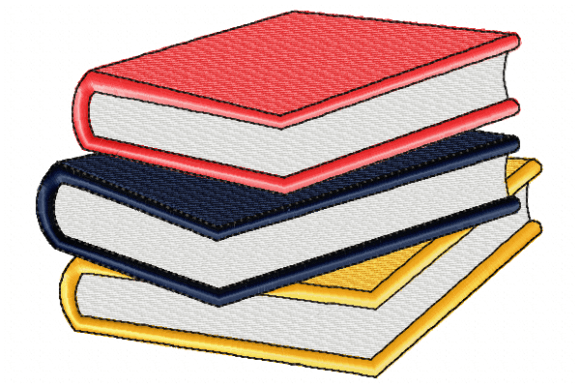
Three Books Embroidery Design Review
As an embroidery designer who has spent years turning digital files into tangible keepsakes, I approach every new design with a mix of excitement and skepticism. When I first pulled up the Three Books machine embroidery design, I knew immediately that this wasn’t just another decorative motif; it was a narrative waiting to be stitched. The description promises beauty for pocket reading pillows, outfits, and gifts, but my job is to determine if it holds up under the scrutiny of real-world application. This review is based on my experience testing this design for a personalized gift shop, specifically looking at how it performs as a handmade product for discerning customers.
First Impressions: Mood and Emotional Appeal
The Three Books design strikes a chord that is both nostalgic and aspirational. In a market saturated with generic patterns, this file feels distinctly literary and cozy. It evokes the quiet charm of a rainy afternoon spent in a library or the intimate ritual of bedtime stories. For an Etsy seller or a small business owner, this emotional connection is gold. It doesn’t just look like books; it looks like knowledge, comfort, and heritage.
Visually, the design balances detail with clarity. It avoids being overly cluttered, which is crucial for machine embroidery where too many tiny elements can merge into a muddy blob. Instead, it offers enough texture to showcase thread quality while remaining legible from a distance. Whether you are aiming for a sweet, classic aesthetic or a modern, minimalist nursery vibe, this design adapts well. It feels elegant yet playful, making it versatile enough for various demographics without feeling forced.
Product Applications and Use Cases
One of the strongest aspects of the Three Books embroidery file is its adaptability. During my planning phase, I visualized this design on several potential finished products, and each scenario felt promising. Here is how it translates across different categories:
- Baby Embroidery and Nursery Decor: This is perhaps the most obvious fit. Imagine a soft cotton muslin blanket or a linen pillow cover featuring three stacked books. It appeals to parents who value education and calm aesthetics. The design adds a personal touch that mass-produced items simply cannot match.
- Wedding Gifts and Family Keepsakes: For a couple who loves literature, this makes a sophisticated housewarming present. Stitched onto a high-quality kitchen towel or a set of napkins, it serves as a lasting reminder of their shared interests. It elevates a simple household item into a cherished memory.
- Custom Tote Bags and Aprons: For the everyday creator, placing this on a canvas tote or a chef’s apron adds character. It signals personality and intellect. However, the durability of the stitching on these heavier fabrics requires careful consideration, which we will discuss later.
- Pocket Reading Pillows: As mentioned in the product description, this design is tailor-made for reading pillows. The compact nature of the motif fits perfectly within the confined space of a pillow corner, adding a whimsical detail that users will appreciate daily.
Where to Exercise Caution
While the design is charming, not every fabric or surface is suitable for a delicate literary theme. As a professional, I advise against using this embroidery design on stretchy baby clothes unless you are using heavy-duty stabilizers and have mastered tension adjustments. The intricate lines may pucker if the fabric stretches during wear.
Similarly, textured fabrics like thick terry cloth towels can obscure the finer details of the book spines and pages. If you must use an embroidered towel, ensure the pile is short and dense so the design remains crisp. Dark fabrics also pose a challenge; unless you are using high-contrast white or metallic threads, the design may get lost in the background. Always test on scrap fabric that matches your final material to check for visibility issues.
Furthermore, avoid applying this to curved surfaces like the rounded edges of hats or sleeves without extensive digitizing adjustments. The flat, stacked nature of the books works best on stable, planar surfaces. Trying to force a geometrically rigid design onto a curve often results in distortion that ruins the clean aesthetic.
Impact on Giftability and Perceived Value
In the world of handmade goods, perceived value is everything. A well-executed Three Books design significantly boosts the perceived value of a product. Customers are willing to pay more for items that feel thoughtful and carefully crafted. The literary theme suggests care and attention to detail, which builds customer trust.
From a marketing perspective, this design is highly photogenic. For an Etsy seller or anyone selling online, the visual appeal drives engagement. A photo of a beautifully stitched pillow cover with soft lighting and natural props (like actual books or coffee) tells a story before the customer even reads the description. This emotional connection is what converts browsers into buyers. It transforms a commodity into a piece of art.
Practical Embroidery Notes for Success
To ensure your finished product meets professional standards, follow these technical guidelines when working with the Three Books embroidery file:
- Test on Scrap Fabric: Never rush to your final product. Run the design on a scrap piece of the same fabric type to check for puckering, thread breaks, or alignment issues.
- Check Thread Color Contrast: Select thread colors that pop against your fabric. Light threads on dark fabric or vice versa usually work best. Avoid low-contrast combinations unless you are aiming for a subtle, tonal effect.
- Confirm Hoop Size: Ensure your hoop is large enough to accommodate the design dimensions comfortably. A tight hoop can distort the fabric, leading to uneven stitches.
- Review Stitch Density: Check the stitch density settings in your software. If the density is too high, the fabric may become stiff and uncomfortable. If it is too low, the underlying stabilizer might show through.
- Use Proper Stabilizer: Choose a stabilizer that matches the weight and stretch of your fabric. Cut-away stabilizers are generally recommended for woven items like towels and blankets to provide long-term support.
- Compare Light and Dark Mockups: Before committing to a production run, create mockups showing the design on both light and dark backgrounds to ensure versatility.
- Check Small Details: Zoom in on the digital preview and the stitched sample. Are the book titles or page lines clear? If they are too small, consider resizing the design slightly larger for better readability.
- Confirm Commercial Licensing: Before selling any finished products, verify the commercial license terms of the digital embroidery file. Some designers allow unlimited sales, while others require specific attribution or limit the number of units sold.
Final Thoughts
The Three Books design is a standout choice for anyone looking to add a touch of literary elegance to their personalized gift offerings. Its charm lies in its simplicity and emotional resonance. By paying attention to fabric selection, stabilizer usage, and thread contrast, you can create stunning custom embroidery pieces that delight customers. Whether you are creating for a baby shower, a wedding, or a back-to-school collection, this design offers a timeless appeal that resonates with readers and non-readers alike. It is a testament to the power of thoughtful design in the handmade industry.