Alarm Clock Embroidery Design Review
As an experienced embroidery designer who has spent years helping small businesses launch their branded merchandise, I look at every digital file with a critical eye. It is not just about whether the design looks pretty on a screen; it is about whether it translates into a high-quality, durable, and profitable physical product. Today, I am reviewing the Alarm Clock embroidery design. The product description highlights that "the intricate details of the design will bring a new level of beauty to any garment or household item" and notes its versatility across fabrics like cotton and linen. But does this promise hold up in real-world production? Let’s dive into how this machine embroidery design performs for small business owners, Etsy sellers, and apparel decorators.
First Impressions: Visual Personality and Brand Fit
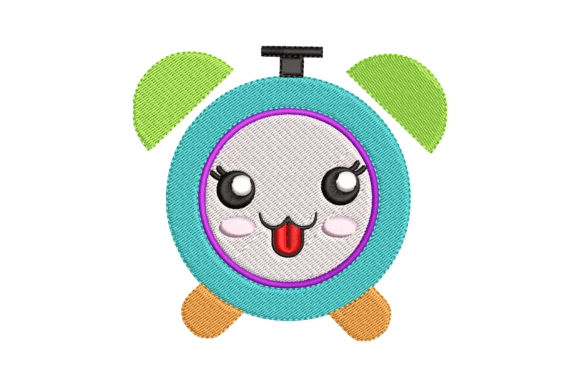
The title Alarm Clock suggests a theme of time, punctuality, mornings, or perhaps a retro aesthetic depending on the visual execution. Based on the description emphasizing "intricate details," we can expect a design that leans towards elegance or precision rather than a simplistic icon. For a brand identity, this feels professional yet playful. It strikes a balance between being decorative and functional as a logo accent.
When I first opened the file, my immediate thought was about versatility. The description mentions it works on a wide range of fabrics. This is crucial for small business merch. If you are running a boutique, a creative studio, or a local bakery, you need designs that don’t look out of place on different textures. The "intricate details" suggest that this design has enough visual weight to stand out but requires careful digitizing to ensure those details don’t get lost in the fabric weave. It feels premium, which is exactly what customers want when they see a custom embroidered patch on a tote bag or a cap.
Real-World Business Applications
So, where does this embroidery file shine in a commercial setting? Here are the top use cases I recommend based on its characteristics:
- Embroidered Patches: Because of the intricate nature, this design makes for a fantastic standalone patch. Small businesses love patches because they are low-risk inventory items. You can sell them individually or attach them to jackets and bags. The detailed center provides a focal point that draws the eye.
- Staff Uniforms and Aprons: For cafes, bakeries, or florists, branding staff uniforms is essential for trust and recognition. Placing the Alarm Clock design on the chest of a work shirt or the pocket of an apron adds a touch of professionalism without being overly corporate. It signals attention to detail, which customers subconsciously associate with quality service.
- Caps and Hats: Cap embroidery is a staple for handmade brands. However, intricate designs can be tricky on curved surfaces. If the design allows for a clean border, it works beautifully as a front-center logo on baseball caps or beanies. It creates a cohesive look for your team or as a giveaway item at events.
- Tote Bags and Product Packaging: A tote bag design featuring this motif elevates the perceived value of the bag itself. Whether you are giving these away as customer gifts or selling them as part of your line, the design adds a layer of sophistication. It also works well as a subtle mark on product packaging, reinforcing your brand identity every time a customer carries your goods.
- Back To School and Event Merch: While the category is Back To School, the utility of an alarm clock design extends beyond just students. It resonates with teachers, parents, and anyone valuing organization. It is a perfect fit for teacher appreciation weeks, back-to-school supply kits, or organizational-themed workshops.
Where to Exercise Caution
No design is perfect for every application. As a designer, I must warn you about potential pitfalls with Alarm Clock due to its intricate nature:
- Small Patch Sizes: If you plan to produce very small patches (under 2 inches), the intricate details may become muddy. Fine lines might merge together, losing the definition that makes the design beautiful. Test this at your smallest intended size before mass production.
- Curved Surfaces: Embroidering detailed designs on highly curved items like the front of a structured cap can cause distortion. The tension might pull the fabric, warping the delicate parts of the design. Always test on the actual final product.
- High Stitch Density: Intricate often means high stitch count. On delicate fabrics like thin linen or synthetic blends, this can cause puckering. Ensure you are using the correct stabilizer to support the density.
- Dark Uniforms: If embroidering on dark garments, thread color contrast is key. Dark threads might hide the intricate details, while light threads might require a heavy underlay, affecting the hand feel of the fabric. Choose thread colors that pop against your specific fabric choice.
Impact on Brand Identity and Customer Trust
Why does this matter for your bottom line? High-quality embroidery signals permanence and care. Unlike printed designs that crack and fade, an embroidered patch or logo suggests durability. When a customer sees the Alarm Clock design on your product, they perceive a higher value. It shows you have invested in quality assets.
This visual consistency builds trust. If your design assets are cohesive—meaning the font, style, and intricacy match across your website, social media, and physical products—customers recognize your brand faster. A well-executed commercial embroidery project turns a simple item into a piece of branded merchandise that customers want to wear or use, effectively turning them into walking billboards for your business.
Practical Designer Notes for Production
Before you upload this file to your embroidery machine, follow these steps to ensure a successful run:
- Test in Black and White: First, digitize or view the design in monochrome. This helps you assess the shape and spacing without the distraction of thread colors. If the silhouette isn’t strong in black and white, color won’t save it.
- Check Hoop Size: Confirm the required hoop size fits your machine and your product. Some intricate designs require larger hoops to maintain tension, which might limit where you can place the design on a garment.
- Review Thread Color Contrast: Inspect the planned thread colors against your fabric swatch. Ensure there is enough contrast for the intricate details to be visible. Use a lighter underlay if stitching on dark fabrics.
- Inspect Spacing and Density: Look closely at the spacing between elements. Are any areas too crowded? High stitch density can make the fabric stiff. Consider simplifying minor details if the design feels too heavy.
- Use Proper Stabilizer: Match your stabilizer to the fabric texture. For woven cotton, cut-away stabilizer is usually best for durability. For knits or stretchy materials, you may need a tear-away or water-soluble backing to prevent distortion.
- Create a Printable Mockup: Before committing to full production, create a printable mockup or a single sample. Show this to clients or stakeholders for approval. It is much easier to fix issues on one sample than on fifty finished products.
- Confirm Commercial Licensing: Most importantly, verify that you have the rights to use this digital embroidery file for commercial purposes. Selling merchandise with an unlicensed design can lead to serious legal issues.
Final Verdict
The Alarm Clock embroidery design is a strong candidate for small business owners looking to add a touch of elegance and detail to their merchandise. Its versatility across fabrics and its intricate nature make it suitable for everything from apron embroidery to high-end custom apparel. By following proper testing protocols and understanding its limitations regarding size and density, you can leverage this design to enhance your brand’s visual appeal and customer engagement. It is not just a decoration; it is a strategic tool for building a memorable, professional brand presence in the competitive world of handmade and small business commerce.